Tuesday, June 5, 2018

[進階肌動學] 多裂肌的深層分析 Deeper into Multifidus


多裂肌是人體背側重要的核心肌群
由薦骨開始一路向上到頸椎
每一個單位向上2-4節脊椎連結到棘突上
是重要的脊椎穩定肌群
Multifidus is the important core muscle on the back
From sacrum all the way up to neck
Every unit goes 2-4 segment above toward the spinous process.
Play an important role as a lumbar stablizer

Multifidi

由於多裂肌本身的組織排列
在身體向前彎曲時多裂肌可以產生最大的肌力
這也間接證實了多裂肌在矢狀面上身為穩定肌群的能力
Due the the sacromere length change,
Multifidus generates max strength output during trunk flexion.
That somehow implies the ability as a trunk stabilizer on saggital plane.


許多的研究顯示在慢性下背痛的患者身上
會發現多裂肌失能的狀況
也會在影像學上觀察到
明顯腰部多裂肌受到脂肪組織取代萎縮的現象
Many researches showed that multifidus dysfunction occur among chronic low back pain population.
Also form image studies,
the fat will infiltrate multifidus tissue, A.K.A multifidus atrophy.

因此如何正確的評估與誘發多裂肌的活動
對於下背痛的患者來說非常重要
Thus, its important to assess and activate multifidus for low back pain population.

臨床上有兩個適合評估多裂肌的動作
多裂肌抬高測試(MLT)以及後彎測試
There are two excellent movements can be used to assess multifidus.
Multifidus Lifting Test (MLT) and multi-segmental extension test

多裂肌抬高測試是在四足跪姿下進行
受試者需先維持脊椎中立
然後將腳或手抬起
如果腰椎無法維持姿勢就是陽性
MLT is performed under quadruped position
The subject need to get the neutral spine first,
then raising arm or leg or both.
Belly dropping or can not maintain neutral spine are consider positive

後彎動作是另一個非常簡單可以快速執行的理學測試
主要評估要點有兩個
1. 腰椎是否過度前凸
2. 脊椎是否有折點出現
這兩個現象都表示多裂肌的失能導致無法有效的分散後彎壓力
Multi-segmental extension is another easy PE.
There are two signs we need to watch out
1. Hyperlordorsis of the lumbar
2. Any hinge point on the spine
Both signs tell you that multifidus is dysfuntion that cannot distribute the pressure properly.

當我們處理完結構上或肌肉控制的問題之後
我們必須要指導個案如何正確使用多裂肌
下面介紹兩個我常用的多裂肌啟動與訓練的方式
After dealing with the structural issue and motor control issue,
we need to teach them how to use their multifidus.
Below are two exercises I use a lot to activate multifidus.

改良多裂肌超人式
傳統超人式在執行上容易過度使用脖子與豎脊肌群
反而可能造成更多的症狀產生
而在將手腳抬起前
先讓上肢往身體收進來
可以徵召核心穩定肋骨
Mofified Superman by Dr. Kathy Dooley
Original superman may over recruit neck and erector spinae during practice,
which might make the symptom worse.
Instead, you can add a pulling movement of the arms before raising limbs.
That can help you recruit core muscles to stabilize ribs during movement.

側躺多裂肌啟動
想像你的胯下與背後有一條線連接在一起
將這條線縮短並把腰椎向上略為抬高
從屁股的位置給予一個輕輕向前推的力量
另一隻手可以去感受多裂肌是否收縮或式產生過度豎脊肌活化
Sidelying Mf activation
Think about there's a ling connecting your groin and lumbar spine
Contracting this line gently and lifting lumbar vertebra up slightly
Then you can give light resistance to push pelvis forward
Another hand can touch their back to feel if the Mf is contracting or erector is over activating.


多裂肌是背後的核心
協助我們抵抗重力與旋轉
下背的穩定除了腹肌核心以外
多裂肌的訓練是一個不可忽略的重要因素
Multifidus is core of the back.
It assists us against gravity and rotation.
In order to stabilize low back spine, 
multifidus is one muscle you can not neglect.

參考文獻
1. Freeman, M. D., Woodham, M. A., & Woodham, A. W. (2010). The role of the lumbar multifidus in chronic low back pain: a review. PM&R, 2(2), 142-146.
2.Ward, S. R., Kim, C. W., Eng, C. M., Gottschalk IV, L. J., Tomiya, A., Garfin, S. R., & Lieber, R. L. (2009). Architectural analysis and intraoperative measurements demonstrate the unique design of the multifidus muscle for lumbar spine stability. The Journal of Bone and Joint Surgery. American volume., 91(1), 176.
3. Fortin, M., & Macedo, L. G. (2013). Multifidus and paraspinal muscle group cross-sectional areas of patients with low back pain and control patients: a systematic review with a focus on blinding. Physical therapy, 93(7), 873-888.
4. Kjaer, P., Bendix, T., Sorensen, J. S., Korsholm, L., & Leboeuf-Yde, C. (2007). Are MRI-defined fat infiltrations in the multifidus muscles associated with low back pain?. BMC medicine, 5(1), 2.

創用 CC 授權條款
本著作由I-Chen Liu, PT, MS, DPT, OCS製作,以創用CC 姓名標示-非商業性-相同方式分享 4.0 國際 授權條款釋出。

Friday, May 11, 2018

[基礎伸展] 上斜方肌 Upper trapezius stretch

By Mikael Häggström.When using this image in external works, it may be cited as:Häggström, Mikael (2014). "Medical gallery of Mikael Häggström 2014". WikiJournal of Medicine 1 (2). DOI:10.15347/wjm/2014.008. ISSN 2002-4436. Public Domain.orBy Mikael Häggström, used with permission. (Image:Gray409.png) [Public domain or Public domain], via Wikimedia Commons
上斜方肌是另一條肩頸相關的重要肌肉
與提肩胛肌關係密切
負責的動作有頸椎後仰, 同側側彎, 對側旋轉
而在肩膀的位置則負責肩胛骨的上提與上轉
Upper trapezius is another important muscle of neck-shoulder area
It has the close relationship with levator scapulae
The movement at the cervical are extension, same side side-bending, opposite side rotation
And the movement at the shoulder are elevation and upward rotation

Trapezius animation small2

上斜方肌過度緊繃的時候
常見的情況有
1. 頭部旋轉, 側彎活動受限
2. 肩關節活動障礙
3. 在枕骨下外側, 頸肩連線中點 或後3/1鎖骨處產生酸痛點
Some common conditions while upper trapezius is tight:
1. Neck side-bending and rotation limitation
2. Shoulder dysfunction

3. Tender points over the lateral suboccipital area, mid-point of the shoulder, or 1/3 of the clavicle

靜態伸展上斜方肌的動作是
1. 頭部向對側側彎加上同側旋轉
2. 對側手拉住頭部
3. 同側手向下固定
The static stretch includes the following movement:
1. Neck side bends to opposite side and turns to the same side.
2. Opposite hand holds the neck
3. Same side arm anchor at the bottom
Below is the standard static stretch of upper trapezius.


https://learnmuscles.com/glossary/upper-trapezius-stretching/

一樣由我示範如何執行動態伸展
頭部的姿勢維持不變
讓同一側的肩胛上抬, 再下壓
利用肩胛骨上下的動作進行上斜方肌的伸展
Let me show you how to perform dynamic stretch to this muscle
The head and opposite hand position remain.
The same side shoulder elevates up and down,
using scapula elevation/depression to stretch this muscle.


斜方肌也是辦公室一族非常容易不舒服的位置
藉由簡單的左右旋轉就可以分辨到底是斜方肌還是提肩胛肌的緊繃
Upper trapezius is also the common tight muscle among office population
By simply rotating your head to both sides, you can differentiate which muscle is truly tight.

創用 CC 授權條款
本著作由I-Chen Liu, PT, MS, DPT, OCS製作,以創用CC 姓名標示-非商業性-相同方式分享 4.0 國際 授權條款釋出。

Tuesday, May 1, 2018

[基礎伸展] 提肩胛肌 Levator scpulae stretch

Levator scapulae.png
By modified by Uwe Gille - Gray Image:Gray409.png, Public Domain, Link
提肩胛肌是一條連接頸椎與肩胛的重要肌肉
由頸椎第一至第四橫突, 向下連接到肩胛上角
負責的動作有頸椎後仰, 同側側彎, 同側旋轉
而在肩膀的位置則負責肩胛骨的上提與下轉
Levator scapulae are the muscles that connect cervical and scapula
From C1-C4 transverse process to superior angle of scapula
The movement at the cervical are extension, same side side-bending, same side rotation
And the movement at the shoulder are elevation and downward rotation

Levator scapulae muscle animation2

提肩胛肌過度緊繃的時候
常見的情況有
1. 頭部旋轉, 側彎活動受限
2. 肩關節活動障礙
3. 在頸部或是肩胛上緣產生酸痛點
Some common conditions while levator scapulae are:
1. Neck side-bending and rotation limitation
2. Shoulder dysfunction
3. Tender point over the lateral neck or superior angle of scapula

靜態伸展提肩胛肌的動作是
1. 頭部向對側旋轉約45度然後往下看
2. 對側手拉住頭部
3. 同側手舉高並貼住頸椎
而伸展這條肌肉的標準模範
由勝文替你示範
The static stretch includes the following movement:
1. Neck rotates to opposite side about 45 degrees and bends down.
2. Opposite hand holds the neck
3. Same side arm raises up and holds the neck
Below is the standard static stretch of levator scapulae.


動態伸展是另一個很不錯的方式
有些時候甚至比起靜態伸展更能維持舒緩的效果
頭部的姿勢維持不變
同一側的手往上舉高, 再移動回來
利用肩胛骨旋轉的動作進行提肩胛肌的伸展
Dynamic is another good way to stretch levator scapulae.
Sometimes it's more effective than the static stretch.
The head and opposite hand position remain.
The same side arm raise all the way up and back down,
using scapula rotation to stretch this muscle.


提肩胛肌是辦公室一族非常容易緊繃的一條肌肉
使用電腦之餘記得做運動
可以大幅降低肩頸僵硬與痠痛的機會
Levator scapula is getting tight easily among office population.
Remember to do some exercise while using the computer.
That can help you decrease the chance of neck stiffness and pain.


創用 CC 授權條款
本著作由I-Chen Liu, PT, MS, DPT, OCS製作,以創用CC 姓名標示-非商業性-相同方式分享 4.0 國際 授權條款釋出。

Thursday, April 26, 2018

[進階肌動學] 胸椎的3D動作 Thoracic 3-dimensional movement


前幾周在直播時我們提及了簡單的胸椎旋轉
這篇文章將會更進一步的講解關於胸椎的動作
In the last live-stream, I talked about some tips of thoracic rotation
This article will explain more detail about thoracic movement.
  
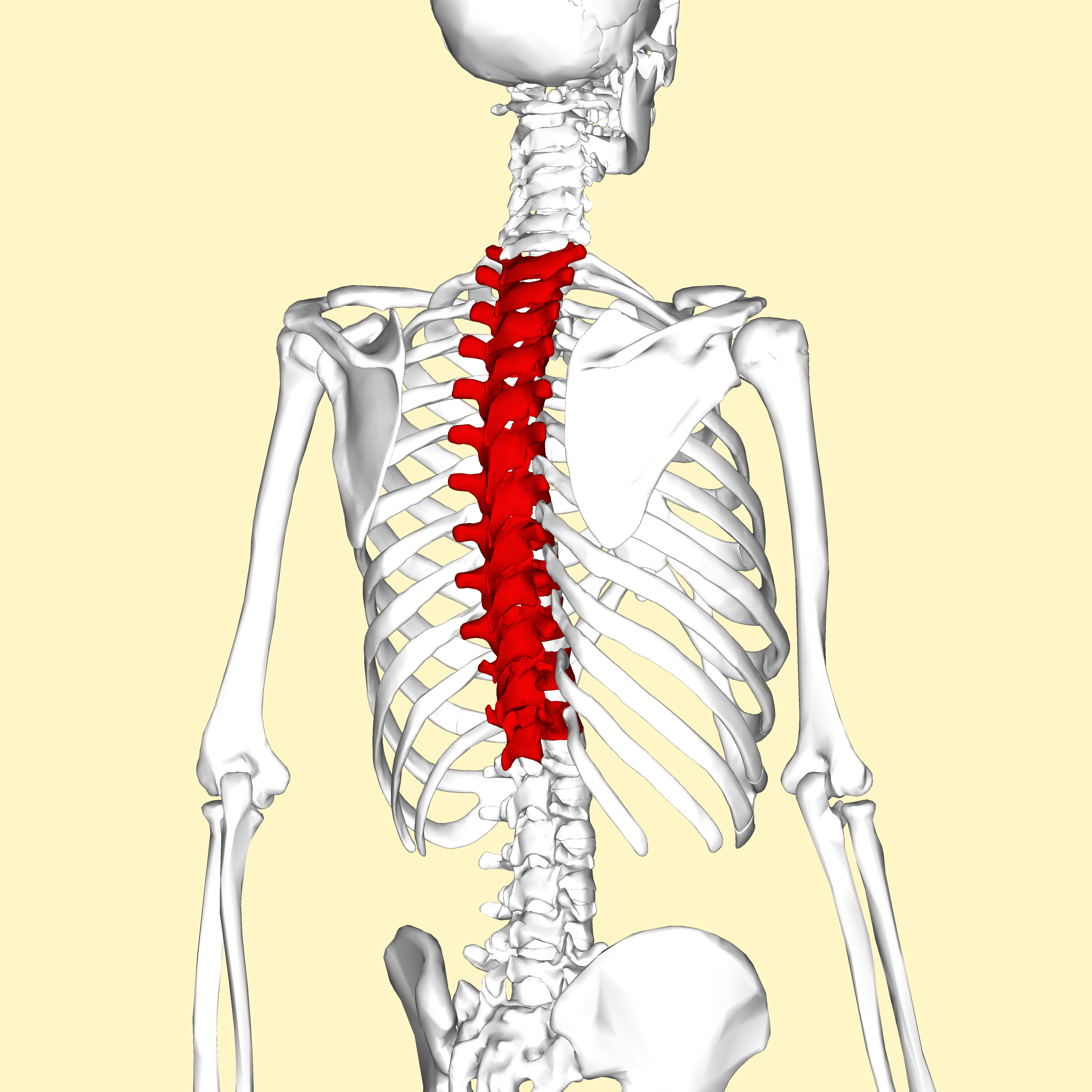
By Anatomography (en:Anatomography (setting page of this image)) [CC BY-SA 2.1 jp (https://creativecommons.org/licenses/by-sa/2.1/jp/deed.en)], via Wikimedia Commons

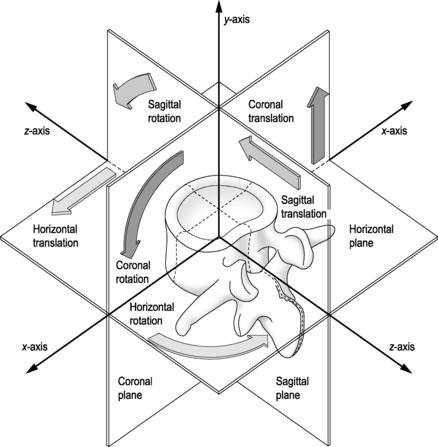
脊椎在活動上總共有六度的活動度
分別是三個平面上的旋轉與平移
our spine segment has 6 degrees of freedom
It can rotate or transit on three different planes.
Photo credit: Neupsykey.com


延伸自上次講的旋轉與側彎
我們需要提到大名鼎鼎的Fryette's Laws
Fryette's Laws是Harrison Fryette, D.O.(1876-1960)所提出椎體動作的原則
最原始的Fryette's Laws只有兩條
直到1948由CR Nelson, D.O.再加以補充
成為了今天被大家熟知的三大原理
When we talk about the spine rotation and side-bending,
we can't miss the famous Fryette's Laws
There were only 2 laws in the original version
In 1948, CR Nelson, D.O. added the third law.
Make those three laws become the well-known Fryette's Laws.

其原則如下:
The three laws are as follow:

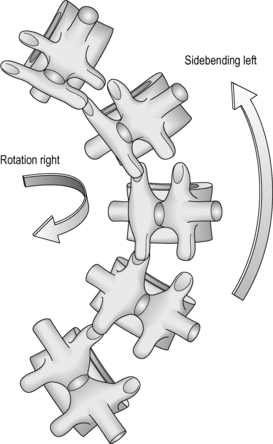
1. 在椎體正中位置下, 椎體側彎時會伴隨椎體向對側旋轉
1. When the spine is in neutral, side bending to one side will accompany the opposite side rotation
Photo credit: Musculoskeletalkey.com

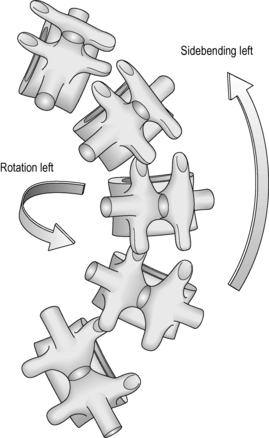
2. 在椎體非正中位置下, 椎體側彎會伴隨椎體向同側旋轉
2. When the spine is not in neutral, side bending to one side will accompany the same rotation.
Photo credit: Musculoskeletalkey.com

3. 椎體在某一個平面上的動作產生變化時, 會影響其餘兩個平面的活動
3. When motion is introduced in one plane it will modify motion in the other two planes.

如果你是正在就讀物理治療學系的學生
麻煩請念到這裡即可
因為上面描述的是簡化過後的脊椎動作, 也是考試的標準答案
If you are a PT/PTA student, please stop right here.
The content above simplifies spine movement, but also the standard answer for testing.

最近一篇針對胸椎活動的系統性回顧
在2007年PS Sizer等人發表
針對胸椎耦合動作的結論是沒有結論
過去數十年間的研究所得出來的結果無法取得一致性
The most recent review of the thoracic coupled movement is in 2007, published by PS Sizer et al.
The conclusion for joint coupling of the thoracic spine is no conclusion.
There is no consistency from those research over the past several decades.  

但這不代表Fryette's Laws就從此失去了代表性
它描述的也許是一個在理想情況下的動作
針對不同的情況我們的身體會做出相對應的反應
But it doesn't mean Fryette's Laws is wrong.
It might describe the movement under the ideal condition.
Our body should respond to what they encounter.

中立本身是一個動態的概念
如果無法找到所謂的中立位置
那沒辦法去判斷到底動作適用於哪一條原理
Neutral is a dynamic concept
If there's no true neutral position,
how can we decide which movement should follow which law?

這邊要額外提及另一位大師級人物Philip E. Greenman, O.D
在其著作Principles of Manual medicine裡
對於Fryette's Laws第二原理提出了我覺得非常適用於臨床的觀點
如果胸椎先做出了側彎的動作, 那會有對側旋轉的耦合動作
如果胸椎先做出了旋轉的動作, 那會有同側側彎的耦合動作
Here's another master I need to mention on this topic, Philip E. Greenman, O.D.
In his book Principles of Manual medicine,
he proposed an idea about spine movement which I thought is really helpful in practice.
If the side-bending is introduced first, then it will accompany the opposite rotation.
If the rotation is introduced first, then it will accompany the same side side-bending.  

藉由上面提到的這些原理與概念
我們可以進行更精準的臨床評估, 處理, 與動作選擇
By knowing all those concepts,
we can do the better evaluation, treatment, and movement integration.

創用 CC 授權條款
本著作由I-Chen Liu, PT, MS, DPT, OCS製作,以創用CC 姓名標示-非商業性-相同方式分享 4.0 國際 授權條款釋出。

Thursday, April 5, 2018

[翻譯] Anatomy Angel: 上斜方肌 Upper Trapezius


原文連結: http://www.drdooleynoted.com/anatomy-angel-upper-trapezius/

斜方肌是一條超讚的肌肉
除了協助脊椎活動與穩定外, 也產生肩膀的活動

這條肌肉的名字來自於它的形狀(Trapezoid)
這條肌肉的起點從頭骨往下延伸到最後一節胸椎
IMG_8309.JPG
往外連接到肩胛骨脊以及肩峰(Acromion), 以及部分的鎖骨(Clavicle)
斜方肌被認為是四肢的肌肉
主要產生脖子以及肩膀的動作, 而只有一點點的中背動作
藉由筋膜的連接, 斜方肌絕對是穩定脊椎在矢狀面上活動不可或缺的一環
IMG_8310.JPG
這條肌肉是一條非常強壯的伸肌
斜方肌是唯一一條被歸類為四肢但卻被腦神經支配的肌肉
但是並不是被腦幹所支配
C1-C5的腹枝(Ventral Rami, 動作與感覺神經)實際上會離開脊椎並且向上進入頭骨內
然後再次離開頭骨與運動終板(Motor end plate)接觸
這就是斜方肌以及胸鎖乳突肌被腹枝支配的路徑
IMG_8315.JPG
所以斜方肌是由上頸椎所支配
在這個區域低強度的關節壓迫會增加上段肌肉的活性
當我們開始嘗試維持抬頭的時候, 我們逐漸獲得頸椎的弧度
IMG_8312.JPG
然而許多人到今日卻還是使用他們的脖子來控制各種動作 
維持抬頭是我們第一個重要的動作成就
我們被設計成在這個姿勢下尋求穩定度與動作
上斜方肌可以抬起以及上旋肩胛骨, 還可以做出脖子側彎與伸展的動作
像想一下你正在聳肩, 這就是上斜方肌的動作
上斜方肌與下斜方肌和下前鋸肌形成力偶
做出肩胛骨上旋的動作
IMG_8318.JPG
IMG_8317.JPG 
但是當頸椎被壓迫或是上斜方肌過度使用時
會阻礙順暢的力偶動作
由於上斜方肌連接到鎖骨與肩峰上
也會造成肩鎖關節活動的障礙, 特別是過頭的活動
所以當肌肉過度使用時, 這條執行過頭動作肌肉的實際上也會造成動作本身的障礙
如果讓上斜方肌去主導了我們的動作
肩膀的生物力學會有顯著的變化
隨之而來的就是肩關節的不穩定 
所以許多的肩膀問題開始於脖子的問題
記得: 上斜方肌連接到脖子與頭骨
如果你只專注於肩膀本身而沒有考慮到脖子, 那可能會錯失了重要關鍵 
評估脖子 
然後評估上下斜方肌與前鋸肌的力偶
從這裡開始, 然後延伸到肩膀的主要活動肌群, 例如胸肌或闊背肌
並且也不要忘記穩定肌群, 例如旋轉肌袖
但是千萬不要跳過脖子與脊椎
事實上, 我建議你從這裡開始
如果你的客戶對你沒有處理肩膀感到困惑
讓他們了解解剖學上斜方肌的位置, 以及這條肌肉是如何被脖子所影響
As always, it’s your call. 
– Dr. Kathy Dooley
All Right Reserved to Dr. Kathy Dooley, Translated by I-Chen Liu
本著作由Dr. Kathy Dooley製作, I-Chen Liu翻譯

Thursday, November 9, 2017

[臨床思考] 為什麼中立位置還是會疼痛 Why the neutral position is still hurting


身為臨床的物理治療師
我們一直被被教導中立位置的重要性
從脊椎中立一直到關節的中心化
幾乎所有的評估治療運動
都是遵循這個原則
As a clinical physical therapist,
I was always taught that the importance of the neutral position.
From neutral spine to joint centration,
almost all evaluations, treatments, and exercises are follow this rule.


但有些時候我們在臨床上也會發現
即便個案能夠維持中立位置
他的疼痛依舊存在 或者沒有辦法根除
特別對於新畢業的治療師來說
這是一個相當大的關卡
But sometime we might found that
even the client can maintain neutral position, the pain is still existed.
It's a huge WHY, especially for new grad therapists.

為什麼病人對稱中立 但還是會感到疼痛呢?
Why the patient is still hurting after I did everything to make them neutral?


如果可以 我很希望在更早的時候就能了解這個重要觀念
"中立位置只是治療的起點"
I wish I could know this important concept earlier
"Neutral is just the starting point"

打個比方來說
你要去的方向是台北 但卻意外的到了高雄
這時單純回到原點無法解決問題
而是要從你的起點重新出發
Let's make it more solid.
If you want to get to NYC, but somehow you go to the Boston,
then back to where you began can not make you to the goal.
You have to START FROM THE ORIGIN

同樣的道理
今天如果遇到了一個下背痛屈曲耐受不足的個案
你不單單要把他帶回脊椎中立的位置
同時需要讓脊椎能夠重新正確的體驗伸展/屈曲的動作
單純的中立而缺乏正確的訓練只會讓身體重新反覆錯誤的使用模式
So in the clinic,
if you meet a client who is suffer from LBP with flexion intolerance,
you can't just bring them back to the neutral spine.
They need to experience the real flexion/extension movement.
Simply put them back the the neutral without proper training can only lead to the repetitive problem.

Dr. Dooley在講課時說過
“到達他們所在的位置, 然後帶領他們到需要的地方”
我們要抵達的地方不該只是半路的中立位置
而是在更遠那一端的動作
Dr. Dooley has some amazing words
"Meet them where they are, bring them where they are not"
We shouldn't stop at the neutral,
we should guide them to where they truly should be.


創用 CC 授權條款
本著作由I-Chen Liu, PT, MS製作,以創用CC 姓名標示-非商業性-相同方式分享 4.0 國際 授權條款釋出。

Saturday, October 7, 2017

[進階肌動學] 產生關節動作的五種方式 Five ways to create joint motion


上一週我們討論了如何精確的描述動作
這週我想要進一步地講解基本但容易被忘記的重要動作元素:
"關節動作的五種模式"
Last week we talked about how to describe the movement.
This week I'd like to share a basic but easily overlooked element:
"Five patterns of joint movement"

現在讓我們再一次用髖關節當作範例
下面是髖關節外轉的動作
這是骨盆靜止 股骨外轉的模式
Let's use hip joint as an example.
Below is the hip external rotation.
Pelvic still, femur external rotates.
http://www.bodbot.com
現在請大家想想
除了這個動作之外 還能想出幾種髖關節外轉的模式呢?
如果你能想出總共五種的模式
恭喜你 你對於關節間的動作是暸如指掌的專家級人物
Now I'd want you to think,
are there any other pattern can make the hip external rotation?
If you can come out all five patterns,
CONGRADULATION, you are the EXPERT of the joint movement.

下面是另一種髖關節外轉
是股骨靜止 骨盆轉向對側的模式
Here is another pattern, or so called close-chain movement.
Femur still, pelvic rotates to opposite side.
https://singaporeosteopathy.com
上面兩種模式大概沒有人會忘記
後面三種模式 可以簡單的物理原理來解釋
身為一個物理治療師 物理還是有點重要啊
The above two patterns should be easy to you.
The last three patterns are a little but tricky.
We can use the simple physic principle to understand those movements.
After all, I am a PHYSICAL therapist :P


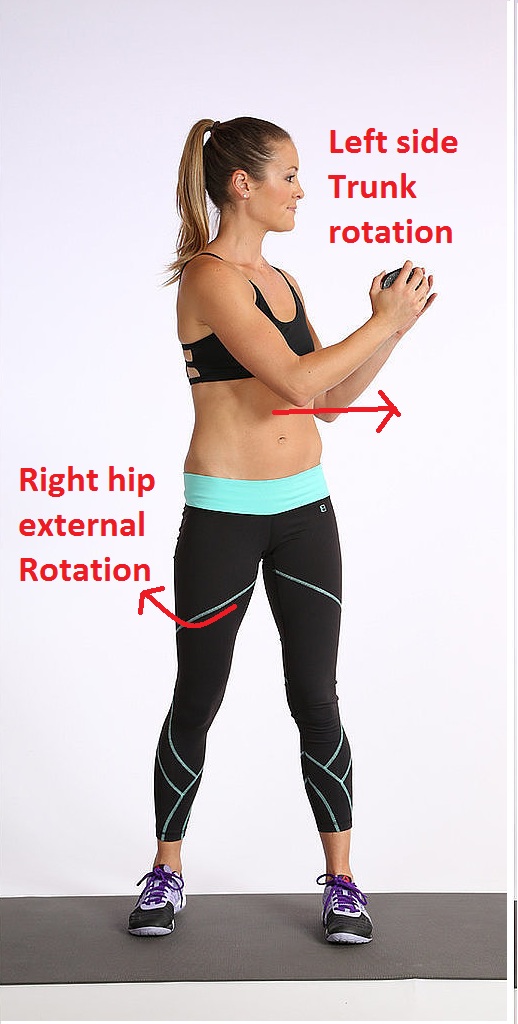
上面的圖片展示了最後三種模式
骨盆轉向對側同時股骨外轉
骨盆轉向同側 股骨外轉 但骨盆的速度較慢
骨盆轉向對側 股骨內轉 但股骨的速度較慢
這是相對運動產生的結果
This classic question explains all three patterns pretty well:
Pelvic turns to the opposite side with femur external rotates(away from each other).
Pelvic turns to the same side with femur external rotates, but the pelvic speed is slower.
Pelvic turns to the opposite side with femur internal rotates, but the femur speed is slower.
It's the result of relative movement.

而這三種模式之所以重要
是因為這幾種不同情況
對於髖關節的結果是一樣的
但肌肉的動作模式會有所不同
It is important to know the different because
they ALL have the same result but the muscle activations are different

而這五種模式適用於全部的關節:
1. 近端靜止, 遠端移動
2. 近端移動, 遠端靜置
3. 兩端往反方向移動
4. 兩端向同方向移動, 近端速度較快
5. 兩端向同方向移動, 遠端速度較快
This is the principle that applies to all joint(Mostly):
1. Proximal part still, distal part moves.
2. Proximal part moves, distal part still.
3. Both parts move toward different direction(away or close).
4. Both parts move toward the same direction, proximal part is faster.
5. Both parts move toward the same direction, distal part is faster.

了解相對運動的物理原則
對於肌動學的內涵會有更深刻的了解
Knowing the concept of the relative movement
can help you get more profound understanding of the kinesiology.

創用 CC 授權條款
本著作由I-Chen Liu, PT, MS製作,以創用CC 姓名標示-非商業性-相同方式分享 4.0 國際 授權條款釋出。