Reference: 1. Wong, D. S., & Li, J. H. (2000). The omohyoid sling syndrome. American journal of otolaryngology, 21(5), 318-322. 2. Lee, A. D., Yu, A., Young, S. B., Battaglia, P. J., & Ho, C. J. (2015). Omohyoid muscle syndrome in a mixed martial arts athlete: a case report. Sports health, 7(5), 458-462.
3. Kim, L., Kwon, H., & Pyun, S. B. (2009). Pseudodysphagia due to omohyoid muscle syndrome. Dysphagia, 24(3), 357-361.
多裂肌是人體背側重要的核心肌群 由薦骨開始一路向上到頸椎 每一個單位向上2-4節脊椎連結到棘突上 是重要的脊椎穩定肌群 Multifidus is the important core muscle on the back From sacrum all the way up to neck Every unit goes 2-4 segment above toward the spinous process.
Play an important role as a lumbar stablizer
由於多裂肌本身的組織排列
在身體向前彎曲時多裂肌可以產生最大的肌力
這也間接證實了多裂肌在矢狀面上身為穩定肌群的能力
Due the the sacromere length change,
Multifidus generates max strength output during trunk flexion.
That somehow implies the ability as a trunk stabilizer on saggital plane.
許多的研究顯示在慢性下背痛的患者身上
會發現多裂肌失能的狀況
也會在影像學上觀察到
明顯腰部多裂肌受到脂肪組織取代萎縮的現象
Many researches showed that multifidus dysfunction occur among chronic low back pain population.
Also form image studies,
the fat will infiltrate multifidus tissue, A.K.A multifidus atrophy.
因此如何正確的評估與誘發多裂肌的活動
對於下背痛的患者來說非常重要
Thus, its important to assess and activate multifidus for low back pain population.
臨床上有兩個適合評估多裂肌的動作
多裂肌抬高測試(MLT)以及後彎測試
There are two excellent movements can be used to assess multifidus.
Multifidus Lifting Test (MLT) and multi-segmental extension test
多裂肌抬高測試是在四足跪姿下進行
受試者需先維持脊椎中立
然後將腳或手抬起
如果腰椎無法維持姿勢就是陽性
MLT is performed under quadruped position
The subject need to get the neutral spine first,
then raising arm or leg or both.
Belly dropping or can not maintain neutral spine are consider positive
後彎動作是另一個非常簡單可以快速執行的理學測試
主要評估要點有兩個
1. 腰椎是否過度前凸
2. 脊椎是否有折點出現
這兩個現象都表示多裂肌的失能導致無法有效的分散後彎壓力
Multi-segmental extension is another easy PE.
There are two signs we need to watch out
1. Hyperlordorsis of the lumbar
2. Any hinge point on the spine
Both signs tell you that multifidus is dysfuntion that cannot distribute the pressure properly.
當我們處理完結構上或肌肉控制的問題之後
我們必須要指導個案如何正確使用多裂肌
下面介紹兩個我常用的多裂肌啟動與訓練的方式
After dealing with the structural issue and motor control issue,
we need to teach them how to use their multifidus.
Below are two exercises I use a lot to activate multifidus.
改良多裂肌超人式
傳統超人式在執行上容易過度使用脖子與豎脊肌群
反而可能造成更多的症狀產生
而在將手腳抬起前
先讓上肢往身體收進來
可以徵召核心穩定肋骨
Mofified Superman by Dr. Kathy Dooley
Original superman may over recruit neck and erector spinae during practice,
which might make the symptom worse.
Instead, you can add a pulling movement of the arms before raising limbs.
That can help you recruit core muscles to stabilize ribs during movement.
側躺多裂肌啟動
想像你的胯下與背後有一條線連接在一起
將這條線縮短並把腰椎向上略為抬高
從屁股的位置給予一個輕輕向前推的力量
另一隻手可以去感受多裂肌是否收縮或式產生過度豎脊肌活化
Sidelying Mf activation
Think about there's a ling connecting your groin and lumbar spine
Contracting this line gently and lifting lumbar vertebra up slightly
Then you can give light resistance to push pelvis forward
Another hand can touch their back to feel if the Mf is contracting or erector is over activating.
多裂肌是背後的核心
協助我們抵抗重力與旋轉
下背的穩定除了腹肌核心以外
多裂肌的訓練是一個不可忽略的重要因素
Multifidus is core of the back.
It assists us against gravity and rotation.
In order to stabilize low back spine,
multifidus is one muscle you can not neglect.
參考文獻
1. Freeman, M. D., Woodham, M. A., & Woodham, A. W. (2010). The role of the lumbar multifidus in chronic low back pain: a review. PM&R, 2(2), 142-146.
2.Ward, S. R., Kim, C. W., Eng, C. M., Gottschalk IV, L. J., Tomiya, A., Garfin, S. R., & Lieber, R. L. (2009). Architectural analysis and intraoperative measurements demonstrate the unique design of the multifidus muscle for lumbar spine stability. The Journal of Bone and Joint Surgery. American volume., 91(1), 176.
3. Fortin, M., & Macedo, L. G. (2013). Multifidus and paraspinal muscle group cross-sectional areas of patients with low back pain and control patients: a systematic review with a focus on blinding. Physical therapy, 93(7), 873-888.
4. Kjaer, P., Bendix, T., Sorensen, J. S., Korsholm, L., & Leboeuf-Yde, C. (2007). Are MRI-defined fat infiltrations in the multifidus muscles associated with low back pain?. BMC medicine, 5(1), 2.
身為臨床的物理治療師
我們一直被被教導中立位置的重要性
從脊椎中立一直到關節的中心化
幾乎所有的評估治療運動
都是遵循這個原則
As a clinical physical therapist,
I was always taught that the importance of the neutral position.
From neutral spine to joint centration,
almost all evaluations, treatments, and exercises are follow this rule.
但有些時候我們在臨床上也會發現
即便個案能夠維持中立位置
他的疼痛依舊存在 或者沒有辦法根除
特別對於新畢業的治療師來說
這是一個相當大的關卡
But sometime we might found that
even the client can maintain neutral position, the pain is still existed.
It's a huge WHY, especially for new grad therapists.
為什麼病人對稱中立 但還是會感到疼痛呢? Why the patient is still hurting after I did everything to make them neutral?
如果可以 我很希望在更早的時候就能了解這個重要觀念 "中立位置只是治療的起點"
I wish I could know this important concept earlier "Neutral is just the starting point"
打個比方來說
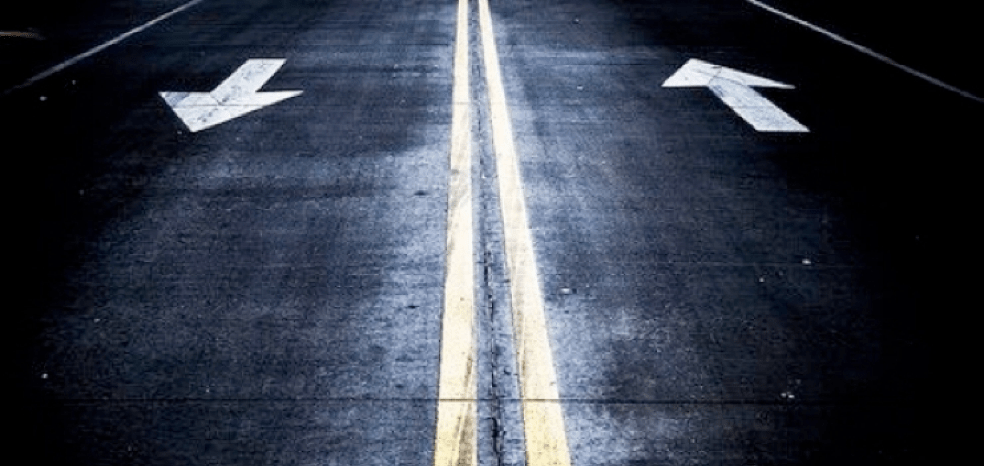
你要去的方向是台北 但卻意外的到了高雄
這時單純回到原點無法解決問題
而是要從你的起點重新出發
Let's make it more solid.
If you want to get to NYC, but somehow you go to the Boston,
then back to where you began can not make you to the goal.
You have to START FROM THE ORIGIN
同樣的道理
今天如果遇到了一個下背痛屈曲耐受不足的個案
你不單單要把他帶回脊椎中立的位置
同時需要讓脊椎能夠重新正確的體驗伸展/屈曲的動作
單純的中立而缺乏正確的訓練只會讓身體重新反覆錯誤的使用模式
So in the clinic,
if you meet a client who is suffer from LBP with flexion intolerance,
you can't just bring them back to the neutral spine.
They need to experience the real flexion/extension movement.
Simply put them back the the neutral without proper training can only lead to the repetitive problem.
Dr. Dooley在講課時說過 “到達他們所在的位置, 然後帶領他們到需要的地方” 我們要抵達的地方不該只是半路的中立位置
而是在更遠那一端的動作
Dr. Dooley has some amazing words "Meet them where they are, bring them where they are not" We shouldn't stop at the neutral,
we should guide them to where they truly should be.
上一週我們討論了如何精確的描述動作
這週我想要進一步地講解基本但容易被忘記的重要動作元素: "關節動作的五種模式"
Last week we talked about how to describe the movement.
This week I'd like to share a basic but easily overlooked element:
"Five patterns of joint movement"
現在讓我們再一次用髖關節當作範例
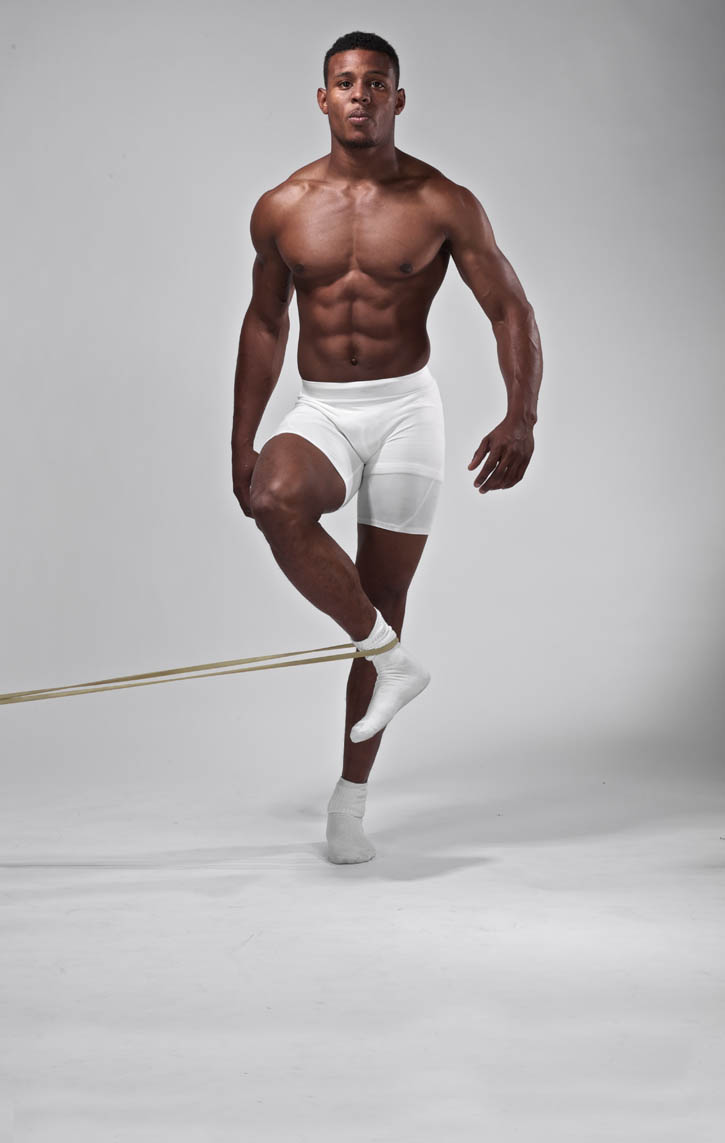
下面是髖關節外轉的動作
這是骨盆靜止 股骨外轉的模式
Let's use hip joint as an example.
Below is the hip external rotation.
Pelvic still, femur external rotates.
http://www.bodbot.com
現在請大家想想
除了這個動作之外 還能想出幾種髖關節外轉的模式呢?
如果你能想出總共五種的模式
恭喜你 你對於關節間的動作是暸如指掌的專家級人物
Now I'd want you to think,
are there any other pattern can make the hip external rotation?
If you can come out all five patterns,
CONGRADULATION, you are the EXPERT of the joint movement.
下面是另一種髖關節外轉
是股骨靜止 骨盆轉向對側的模式
Here is another pattern, or so called close-chain movement.
Femur still, pelvic rotates to opposite side.
https://singaporeosteopathy.com
上面兩種模式大概沒有人會忘記
後面三種模式 可以簡單的物理原理來解釋
身為一個物理治療師 物理還是有點重要啊
The above two patterns should be easy to you.
The last three patterns are a little but tricky.
We can use the simple physic principle to understand those movements.
After all, I am a PHYSICAL therapist :P
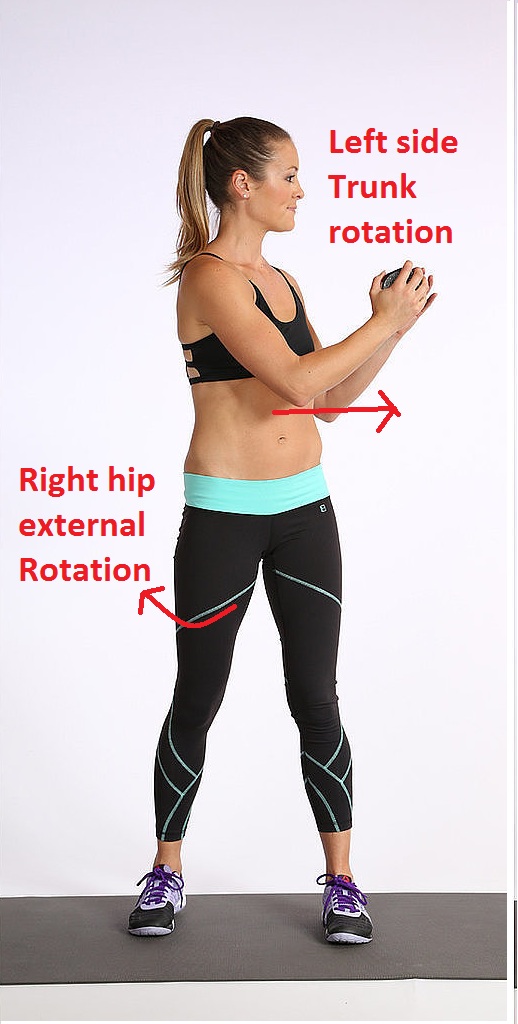
上面的圖片展示了最後三種模式
骨盆轉向對側同時股骨外轉
骨盆轉向同側 股骨外轉 但骨盆的速度較慢
骨盆轉向對側 股骨內轉 但股骨的速度較慢 這是相對運動產生的結果
This classic question explains all three patterns pretty well:
Pelvic turns to the opposite side with femur external rotates(away from each other).
Pelvic turns to the same side with femur external rotates, but the pelvic speed is slower.
Pelvic turns to the opposite side with femur internal rotates, but the femur speed is slower. It's the result of relative movement.
而這三種模式之所以重要
是因為這幾種不同情況 對於髖關節的結果是一樣的 但肌肉的動作模式會有所不同
It is important to know the different because they ALL have the same result but the muscle activations are different
而這五種模式適用於全部的關節: 1. 近端靜止, 遠端移動 2. 近端移動, 遠端靜置 3. 兩端往反方向移動 4. 兩端向同方向移動, 近端速度較快 5. 兩端向同方向移動, 遠端速度較快 This is the principle that applies to all joint(Mostly): 1. Proximal part still, distal part moves. 2. Proximal part moves, distal part still. 3. Both parts move toward different direction(away or close). 4. Both parts move toward the same direction, proximal part is faster. 5. Both parts move toward the same direction, distal part is faster.
了解相對運動的物理原則
對於肌動學的內涵會有更深刻的了解
Knowing the concept of the relative movement
can help you get more profound understanding of the kinesiology.
你是否也有過跟人討論動作的時候
大家各講各的 最後發現其實是同一件事情的狀態呢
Do you ever experience that when you discuss some movement with others,
everyone has different thoughts but finally you found you all talk about the same thing?
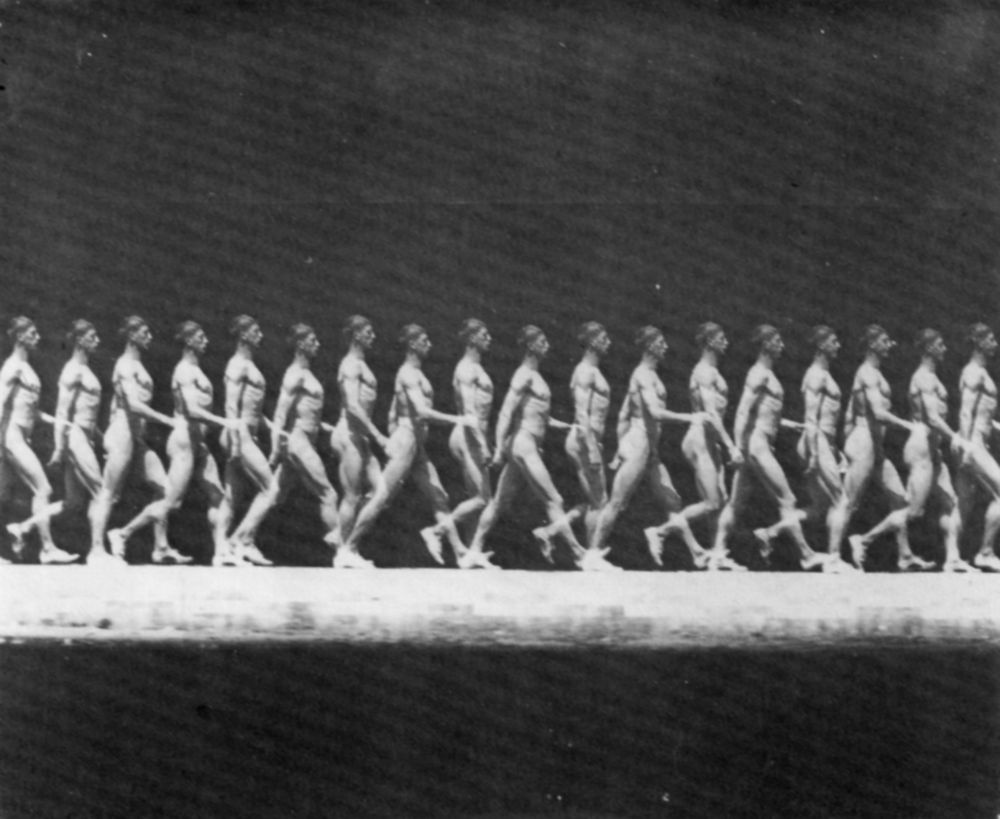
動作本身非常的有趣
假如你將一個動作無限分割
你會得到無數多的靜態姿勢
The motion itself is fascinating.
If you dissect the movement repeatedly,
you'll get infinite posture.
http://www.zeno.org - Contumax GmbH & Co. KG
所以最重要的事情 是搞清楚你在描述的是姿勢還是動作 So here is the thing, knowing you are describing POSTURE or MOVEMENT
我們用步態來舉例
Heel strike的時候
髖關節呈現屈曲, 踝關節呈現背曲
這是屬於"姿勢"的描述
Let's take gait as example.
In heel strike, the hip is flexion and the ankle is dorsiflexion.
It is description of posture.
而從Heel Strike到Loading Response之間
髖關節需要伸展, 踝關節執行蹠曲
這是屬於"動作"的描述
From Heel strike to Loading Response,
the hip is extending and the ankle is plantarflexing.
It is the description of the movement.
所以綜合起來 在Heel Strike時 髖關節在屈曲位置, 但要執行伸展動作 而踝關節在背曲位置, 但要執行蹠曲動作 To sum up, during the heel strike, the hip is flexion but extending, the ankle is dorsiflexion but plantarflexing.
更複雜一點的情況 我們需要考慮到重力,速度, 不同平面以及相對移動的影響
讓我們回頭再看一次髖關節
In the advanced condition, we need to consider the gravity, velocity, planes, and relative movement.
Let's go back to hip again
髖關節位置是屈曲, 內收, 以及外轉
而執行的動作是伸展, 內收, 以及內轉
所以我們可以看出 重心會往承重腳的方向移動
The hip posture is flexion, adduction, and external rotation
The hip movement is extending, adducting, and internal rotating.
So it obvious that our center of mass is moving toward the front leg.
而臀中肌的主要動作是外展以及內轉
乍看之下似乎呈現一個平面拉長, 一個平面縮短
但因為骨盆的轉動速度比股骨快, 所以反而呈現的是髖關節的外轉
所以臀中肌在這個時期在兩個平面上都呈現離心收縮
為下個階段的移動儲存能量
The GluMed is the muscle that can abducting and internal rotating.
Seems like this important stabilizer is long on frontal and short on transverse plane.
However, because the pelvic movement is faster than our femur,
so now the femur is INTERNAL rotating but the hip joint is EXTERNAL rotating.
That make you GluMed eccentric loading on both planes, storing energy for next phase.
Reiman et al. (2012)
而這只是動作中小小的一部分而已
身為物理治療師與動作專家
這就是我們的日常
And that's just part of our daily movement.
As physical therapists and movement specialists,
it's our daily work.
下次在跟其他人討論時
先確定大家有共同的基準點
才不會發生溝通不良的失能:P
Next time before you initiating any discussion,
making sure you all on the same page.
To prevent possible communication dysfunction:P
腳是身上特別有趣的結構之一
總共包含了26塊骨頭與無數的關節
是一個包含許多生物力學的精巧機構
Foot is one of the most fascinating part of our body,
including 26 bones and multiple joints.
It's a delicate structure that developed with many biomechanics.
想要正確的訓練足部
不能不先認識足底三角(Foot Tripod)
You can't train your foot correctly without knowing what is foot tripod
足底三角包含了三個部分: Foot Tripod is consisted by 3 parts: 1. 跟骨 Calcaneus 2. 第一蹠骨頭 Head of 1st metatarsal 3. 第五蹠骨頭 Head of 5th metatarsal
整個步態週期過程中 所有的單腳支撐階段 都建立於這三點保持與地面的接觸
During the gait cycle, all single support phase need to keep the connection of all 3 points and the ground.
如果我們的支撐三角產生變化
就會產生支撐面積的變化
導致足底壓力路線的偏移
If the tripod shape is changed, the base of support will change.
That can lead to center of pressure deviation.
此外, 足底三角結構也與足弓息息相關 如果前足相對於後足內翻(Varus) 為了維持這個三角結構就會有過度旋前(Over Pronation)的現象產生 造成真正的足弓塌陷
同理, 如果前足相對於後足外翻(Valgus)
就會有旋後的動作產生, 造成高足弓的狀態
Moreover, the tripod is related to our arch. When fore foot varus, the over pronation will occur to keep the tripod structure. And the arch is collapsed.
On the other hand,
when the fore foot valgus, the supination will occur and result in high arch.
而如果因為跟骨或Chopart線活動受限沒有代償動作時 活動時就會有產生拇趾側或小指側的翻起
三角結構就會隨之破壞
這也是之前在<大拇指如何有效地踩在地上>影片的訓練目標 If the calcaneus and/or Chopart line has limited motion, the 1st MTP or 5th MTP will leave the ground during movement.
Then the tripod structure is changed.
That's why I took a video about how to have your toe on the ground during movement.
如果沒有維持健康的足底三角結構
就不可能會有正常的足部功能
If you can not maintain the healthy tripod position,
you can never achieved normal foot function/gait.
所有的關節都是動態的
使用外在的力量強迫避免或做出任何動作
反而會導致身體失去該有的經驗與能力
All joints are dynamic.
Using external support to force your foot to prevent or finish any motion,
your body will lose the chance to experience "the healthy motion"
如果有任何足部相關的問題
請尋求專業人員協助評估
If you have any foot problem,
let it be evaluated by qualified professionals.
在相同動作的肌肉代償模式以外
另一種肌肉的可能產生的問題是動作鍊上的代償
Other than the same movement compensation, muscles can compensate others on the same kinetic chain.
FUNCTIONALRESISTANCETRAINING.COM
上面的是除了呼吸核心之外的四個基礎動作的次系統 當然動作鍊不是只有這些
但這可以當作一個很好的評估開端
之後我們會再針對每個次系統談一些臨床的評估治療應用
Above is the simple version of four basic subsystem Of course there's more kinetic chains, but those can be a good start.
I'll discuss further about the evaluation and treatment base on subsystem in the future post
在動力鍊的概念之下
任何一條肌肉的異常反應都會造成連鎖的效果
跟關節相依理論其實有點相似
但更重視動態動作下的整體表現
Under the concept of the subsystem, any dysfunction on this chain can cause others problem.
It's kind of like the joint dependence theory, but not only the adjacent tissues. It has big picture about the dynamic performance.
舉例來說:
深縱次系統(Deep Longitudinal Subsystem)控制了矢狀面上的活動
單側多裂肌的失能可能會有
對側腓骨肌/股二頭
同側豎脊肌/頸伸肌
以及在對側的次系統上產生代償
而我們會在步態的擺盪期看到失能現像
For example:
Deep longitudinal subsystem dominate the movement on sagittal plane.
The multifidus dysfunction on side can have the result of:
contralateral peroneus/bicep femoris compensation
unilateral erector spinae/neck extensor compensation
contralateral subsystem compensation
And we can see the movement dysfunction while they swing their leg.
與單純動作協同相比, 是一個更整體的概念
也顯示了多關節/動態動作評估的重要性
Compare to simple synergistic muscle, this concept shows more details when we move. It indicates the importance of multi-joint/movement assessment.
除了關節本身以外
肌肉也是代償機制中的重要角色
另一種常見的代償模式為相同動作的代償
In addition to the joint compensation,
the muscle also plays an important role in the compensation mechanism. Another common compensation type is the muscles that have the same movement.
每一個動作都有他的主要動作肌肉
但光靠這條肌肉無法動作, 需要其他的協同肌與拮抗肌一起完成 當主要動作肌肉失去功能, 協同肌轉變成為主要角色時, 代償就會出現
Every movement has its primary mover.
However, primary mover alone can not execute the movement,
you need other synergists and antagonists to finish it. When the primary mover gets trouble and the synergists kick in, the compensation will show up.
這是大腦自動調控的結果
你依舊可以完成想要做出來的動作
但是錯誤的動作不管做了多少次, 還是一個錯誤的動作
只是把現在的失能推遲到以後的某一天
Your brain do it automatically for you.
Let you finish the movement you want.
But the wrong movement is wrong, it can't be corrected by just doing it.
Shit in, shit out.
It just covers the dysfunction now to make bigger problem in the future.
這種代償的問題如下:
What's wrong with this kind of compensation:
1. 永遠沒有一條肌肉可以完全取代另一條 它們也許在矢狀面上動作一樣, 但在其他平面可能完全相反 這也是我們在看動作分析時候的一個重點 1. There's no muscle can 100% cover the other. They might have the same movement on one plane but do the totally opposite on the other. It's also one critical point while assessing the movement. 2. 你一次只能專心做好一件事情 當協同肌被拿去用於當作主要肌肉時 會導致自己本來該做的事情無法做好 然後你的身體就需要再去找另一條取代, 造成連鎖的效應 2. "You can be good at many things, but you can't be good at all of them in the same time" - Dr. Kathy Dooley The muscle can only master one movement at a time. Once you have your synergist to replace the primary mover, it might lose the ability to do its own movement. Next your body might find another muscle to cover it, then you'll see the chain reaction.
舉例來說
髖外展在步態周期中是一個非常重要的動作
主要的動作肌是臀中肌與臀小肌
協同肌包含了臀大肌上側纖維, 闊筋膜張肌, 以及縫匠肌
For example
The hip abduction is a critical movement during gait.
Primary movers are Glu Med/Min
Synergists include superior Glu Max, TFL, and Satorious
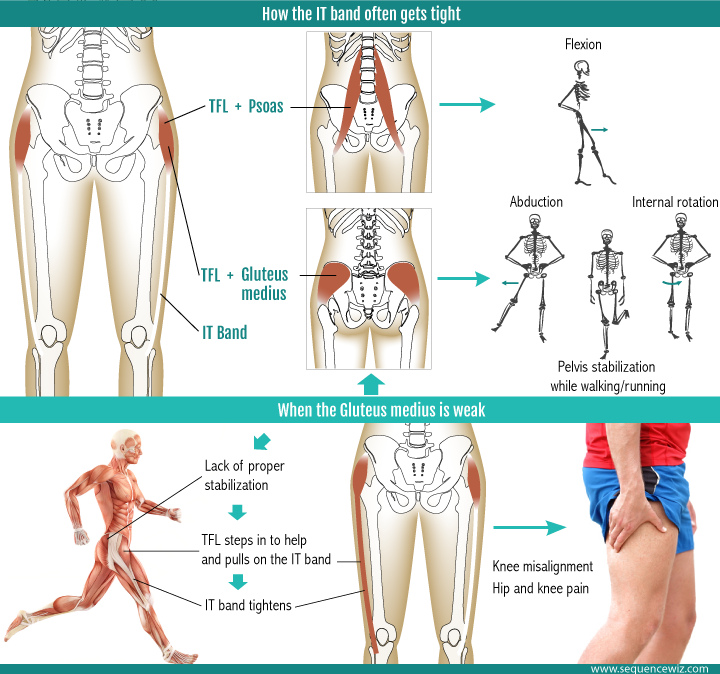
當臀中肌/小肌失去功能的時候 闊筋膜張肌是常見的代償者之一
臨床上也常看到闊筋膜張肌疼痛的患者, 抱怨褲子口袋的位置疼痛
或是慢慢發展成我們熟悉的髂脛束症候群 TFL is a common compensator to Glu Med/Min get dysfunction.
You'll see patients complain of the pain over the pocket area and rub it all day.
Or the old friend, ITBS.
闊筋膜張肌雖然也作外展的動作, 但並不是主要動作肌
因此在代償的動作模式下就會看到外展伴隨髖屈曲/骨盆前傾的動作
造成關節的錯誤排列與受力
TFL is not the primary mover during hip abduction. With compensation, hip abduction will accompany with hip flexion/pelvic anterior tilt.
Lead to the joint misalignment and improper loading share.
sequencewiz.org
更進一步的了解肌肉動力學可以給予更多找出真正問題的線索
這是如何成為動作分析專家的基礎
學習它, 應用它
Understanding kinesiology more can give you more clues to find the true issue.
That's how you can be a movement specialist.
Learn it. Apply it.
在上一篇談論代償的文章內提到
代償有非常多不同的形式
其中一種常見的模式為相鄰關節的代償 建基於區域相依理論之上
In the previous article, we mentioned that there are many different types of compensation.
One common compensation type is joint to adjacent joint.
Mainly base on the concept of regional interdependence (RI).
http://strengthandconditioningfitness.com
人體的各個關節都需要保持在正常範圍內活動的能力
不過有些地方需要更多的穩定性, 其他則需要更多的活動性 當該穩定的地方失去穩定性時 勢必得藉由其他區域增加穩定來補足 此時就會有代償的產生
我們反而會見到的是其他區域的障礙而非問題的源頭
Every joint should have the ability to move in their full range without problem.
Some joints require more stability, others need more mobility. Once we lose the stability at the area that needs to be secured, others will take the responsibility for it. And you'll see the compensation.
Most of time we'll find the pain or dysfunction on those compensated areas that hinder the original problem.
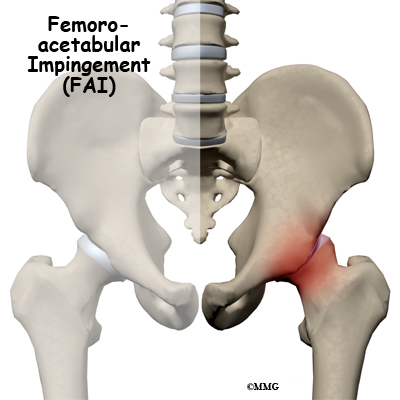
最常見的例子即為腰椎的不穩定
會造成胸椎以及髖關節活動能力減少去代替需要穩定的腰椎
可能造成潛在的髖關節夾擠以及後彎功能喪失
One very common clinical finding is lumbar instability.
The thoracic spine and hip joint will decrease mobility to meet the requirement of stability.
It can lead to potential hip impingement and lack of multi-segmental extension.
這就是為何整體評估如此重要
特別針對慢性或反覆發作的傷害
也許你一直都沒有處理到真正造成問題的區域
That's why the whole assessment is so important, especially to the chronic or repetitive symptom.
Maybe you put your eyes on the wrong spot.
代償這個名詞在這幾年又重新引起風潮
你幾乎可以在每一個地方聽到
而相對產生的就是所謂的矯正性的運動
你是否有想過 什麼是代償 為什麼有代償 代償到底哪裡不好
COMPENSATION is getting fancy again in recent years.
You can hear about it almost everywhere.
Correspondingly, there's so-called CORRECTIVE EXERCISE
However, have you ever wondering WHAT is compensation? WHY does the compensation happen? Is it really BAD?
用最簡單的方式來解釋代償
就是身體為了執行超出能力的任務所產生的策略
The simplest way to explain what is compensation is "The strategies that your body corresponds to the task beyond its ability"
身體的設計非常巧妙
有非常多層的保險系統以及很大的容錯空間
你的大腦會在你無意識之下做出許多的調整
正因為如此
動作的分析與矯正才會如此的複雜以及困難
The body is designed to live.
So it has multiple back up plan and ability to tolerate the dysfunction.
Your brain will adjust it unconsciously.
And that makes the movement analysis and correction complicated and difficult.
代償的出現可以粗分為兩種情況 一種是需要執行的任務大於身體能力的情況 一種是因為受傷或其他因素使得身體能力暫時下降而不足的情況
雖然看起來很相似 但成因會影響介入的方式
後者特別需要醫療專業人員的介入
The occurrence of the compensation can be divided into two condition: 1. The task you want to perform is over your ability 2. The injury or other factors that temporarily decrease the body ability to perform the task.
They seem alike but that difference will affect how you deal with it.
The second condition must be seen by medical professionals.