Tuesday, March 28, 2017

[進修研習] 血液流量限制訓練 Blood Flow Restriction


  最近在聖地牙哥進修了血液流量限制訓練的課程
  同時感受到了物理性與知識性的進步
  下面做一些總結分享
   Recently I went to San Diego for the seminar of blood flow restriction(BFR)
   I improved both physically and mentally.
   Here are some content I'd like to share

  什麼是血液流量限制訓練
  藉由限制血液流量達到低負擔高強度的訓練方式
  What is BFR?
  By limiting blood flow to exercise in low load but high intensity


  最早被應用的目標領域是肌力與肌肥大
  肌肉生長有兩個理論必須要理解
  機械張力模型(Mechanical Tension Model)以及代謝壓力(Metabolic stress)
  BFR在研究上可以同時達成兩者
  限制動脈血流造成提早徵召快肌 使Mechanical tension上升
  限制靜脈血流造成回流不能(缺氧, 代謝物無法排除) 使Metabolic stress增加
  The first application for BFR is strength and atrophy
  There are two theory need to be understood:
  Mechanical Tension Model and Metabolic stress
  The researched showed BFR can achieve both in the same time.
  Limiting artery blood flow can cause early engage of fast twitch fiber, increasing mechanical tension
  Limiting venous blood flow can trap return flow, increasing metabolic stress.

  而在Takarada 2000年的回顧裡面
  BFR的肌肉尺寸與肌力相較於低強度訓練(LI)有顯著增加
  跟傳統高強度訓練(HIT)比較起來肌肉橫切面增長差不多, 肌力則是小輸一點
  In the review of Takarada 2000,
  BFR has significant improvement of muscle cross section area(CSA) and strength to LI group
  Between BFR and HIT, the CSA change is similar but the strength is better in HIT group


  除此之外 限制靜脈血流還有兩個額外效果
  分別是細胞腫脹(Cell swelling)以及減低心輸出量(SV)
  這兩個效果分別對應了BFR在促進蛋白合成以及心肺耐訓練上的應用
  More over, limiting venous blood flow has two extra effect.
  Cell swelling and Stroke Volume decreasing.
  Those two correspond to enhance protein synthesis and increase endurance.

  而在系統性的角度來看
  BFR會促進生長激素的釋放 - 促進膠原蛋白合成
  抑制肌生成抑制素(Myostatin,轉化生長因子β) - 減少組織纖維化
  促進第一類型胰島素生長因子(IGF1) - 修補受損肌肉
  From the systemic view, BFR can:
  facilitating growth hormone release - enhance protein synthesis
  Down regulating Myostatin(TGFβ) - decrease scar tissue formation
  Facilitating IGF1 - repair damage muscle
 
肌生成抑制素缺乏 Myostatin insufficiency
  但是, 由於限制了正常的血流流動
  在沒有精密限制與監督下的訓練是十分危險的事情
  絕對不是拿一條帶子綁綁就可以解決
  BUT, due to the limitation of normal blood flow,
  BFR training without precise pressure and supervision is very dangerous.
  IT IS NOT only wrap yourself with a band.

  現在這門技術越來越受到重視 特別針對術後的復健領域
  更多的研究在未來將會陸續地發表
  我也會持續地為大家更新新的發現與進展

  額外閱讀
  https://www.ncbi.nlm.nih.gov/pubmed/25249278
  https://www.ncbi.nlm.nih.gov/pubmed/19885776

  創用 CC 授權條款
本著作由I-Chen Liu, PT, MS製作,以創用CC 姓名標示-非商業性-相同方式分享 4.0 國際 授權條款釋出。


Thursday, February 9, 2017

[運動討論] 關肋骨在關什麼 Close your rib, huh?


最近網路上掀起一股關肋骨旋風
當然也有人拿著影片來詢問(?)
既然你誠心誠意的發問了 那我就大發慈悲的回答你
Recently, there's an exercise system teaching you how to "close your rib"
And someone sent me the link to ask my opinion.
No judgment, but let's see how it should work.

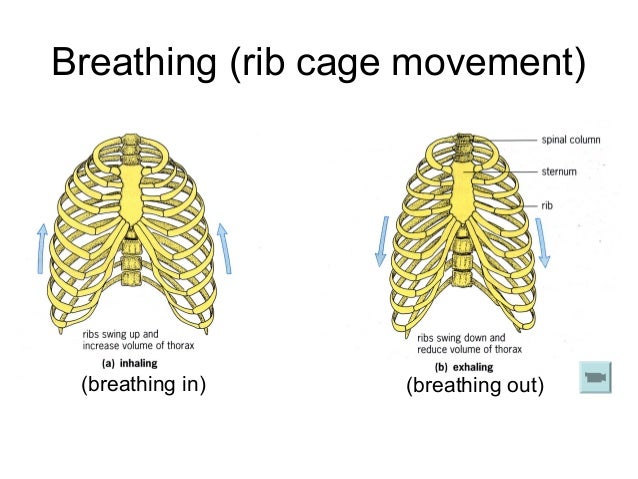
我們先來看看肋骨以及在呼吸時肋骨的動作
Here is the picture of the rib structure and the movement during breathing.
我們吐氣的時候橫隔膜上升肋骨會內收
比較之下右邊是不是瘦多了呢?
When we exhale, the diaphragm will go up and the rib will move in.
Compare to left, now you looks thinner, right?

再來我們看看吐氣所用到的肌肉
為了了解為什麼可以小腹凹這邊只列出腹部
Now let'see the expiration muscles.
Because they claim it can shrink your tummy, only ab area muscles are shown.

如果你能夠有效的運用這幾條肌肉
核心有適當的能力收縮
在肋骨內收的同時的確也能夠讓肚子收進去
If you can use those core muscles properly,
it can move your rib down and shrink your belly in.

但是
上面有一條重要的肌肉忘記列出來
那就是大家都愛的六塊肌-腹直肌
如果你錯誤的使用這條肌肉去收緊肋骨的話
除了核心容易失能以外, 有很大的機率造成肋軟骨炎的症狀
BUT,
there's one important ab muscle not on the picture above.
The six packs, everybody loves it.
However, if you close your rib with this sexy rectus dominated, 
not only the core problem but also you might induce potential costochondritis.

另外一個比較大的問題是肋骨的動作
我的讀者一定知道我們很愛講的一句話
通常一個東西會有問題 一定是卡在不上不下的位置
同理 許多人的肋骨其實是卡在中間位置
如果沒有同時訓練擴張的能力
容易造成進一步的呼吸肌失能與肋骨/脊椎活動度問題
The other huge problem of their system is the movement of the rib
My readers are definitely familiar with this:
"Usually something gets trouble because it's stocked in somewhere between"
If we apply it to the rib cage, it's not elevation or depression, it just not move
So when you train their ability to depress but not the expand,  you're in a huge trouble.
Not only rib itself, but you potentially will get breathing dysfunction/spine mobility problem. 

下面是一個物理治療針對呼吸肌訓練的前後比較
是不是也覺得肚子小了 胸肌大了 人都變帥了呢
Below is an example that how physical therapy deal with breathing problem from TCPhysiotherpy.
TCPhysiotherpay

其實這套運動系統(?)某種程度上構想很不錯
但使用了過多的代償動作以及過份卡住肋骨的自然動作
可能會造成以後更多的身體問題
希望對社會有影響力的人物在說出任何東西之前都要思考
Basically, this system is not that bad.
But you can see a lot of compensations and overemphasize to hold your rib during their video.
It might cause more problem in the future
Hope all celebrities, no matter in reality or internet, can really think the consequence before they talk.


創用 CC 授權條款
本著作由I-Chen Liu, PT, MS製作,以創用CC 姓名標示-非商業性-相同方式分享 4.0 國際 授權條款釋出。


Wednesday, February 1, 2017

[進階肌動學] 為什麼我的PFPS老是不會好 Why the strengthening is not working to PFPS


許多的跑者都曾經或現在依然有膝蓋疼痛的問題
髕骨股骨疼痛症候群(PFPS)是一大部分這些雜症的總稱
PFPS來自於髕骨與股骨摩擦產生的發炎與疼痛
特別常見於下面這種跑姿
Many runners have/had knee pain problem.
Patella Femoral Pain Syndrome (PFPS) is a common term to conclude most of those pain.
The definition of PFPS is the friction between knee cap and femur that causes the symptom.
This symptom can be found especially with the runner who runs like this.
https://www.researchgate.net/publication/45100927_Patellofemoral_Pain_Syndrome
上面這張圖有兩種常見的錯誤跑姿出現
但我們先把重點放在支撐腳上
這種情況有人稱為膝外翻, 膝蓋碰撞, 或是特倫得堡步態
我們從後方觀察可以見到下列特色
1. 骨盆往對側掉
2. 過度髖內收/內轉
3. 膝蓋外展
上面這三點會造成髕骨的向外位移
There are two common running posture error in this picture.
But let's focusing on supporting knee first.
Some may call this knee valgus, knocked knee, or Trendelengberg gait
We can observe three features from back view:
1. Contralateral pelvic drop
2. Excessive hip Adduction/Internal rotation
3. Knee Abduction
Those features can lead to the lateral tracking of the knee cap

傳統上對於PFPS的治療很直觀
訓練控制骨盆以及股骨動作的肌肉就好棒棒可以解決問題呢
你做了大腿外展運動, 蚌殼外轉運動....等等
可是為什麼老是反反覆覆, 或者多跑一下就又不行了呢
The traditional treatment concept to PFPS is simple.
Training those muscles that control pelvis and hip movement can solve it.
You've done hip abduction exercise, clam exercise....etc.
But you're still suffered from it or the pain always comes and goes.


過去幾年的研究可以告訴我們這個問題的解答
在前瞻性研究的部份
臀部的肌肉力量對於預測PFPS的產生/此種步態的產生完全沒有預測力
但在橫斷面研究發現
有PFPS的人會有臀部肌力減少的現象
這指向了一個結果:臀部無力是PFPS造成的結果
而Wilson et al 2009的研究指出
臀中肌的啟動時間與耐力是唯二針對跑步過度髖內收的良好預測因子
結論:PFPS是一個神經肌肉控制失能的結果
Past researches might provide the answer to this question
Prospective researches showed the hip strength can not predict the present of PFPS.
Cross Section studies showed the population with PFPS has decreased hip strength.
That said, the HIP STRENGTH INSUFFICIENCY IS THE RESULT OF  PFPS.
According to Wilson et al 2009,
the GluMed onset time and duration are the only two factors can be used to predict excessive hip adduction.
In conclusion: PFPS IS THE RESULT OF NEUROMUSCULAR DYSFUNCTION

Add by Misato Alexandre  In Leg Exercises
針對有PFPS或是上面跑姿的跑者
單純的肌力訓練無法解決他們的問題
檢查他們的神經肌肉控制能力
並且給予動態的訓練配合適當的回饋
才能真正的解決跑步姿勢的問題以及讓他們健康的重回路上
To the runners with PFPS or the poor running posture,
simple strengthen program can not solve their problem.
Checking their ability of neuromuscular control,
Giving them dynamic training with appropriate feedback,
then you can truly help them to get rid of the pain and learn how to run properly.


創用 CC 授權條款
本著作由I-Chen Liu, PT, MS製作,以創用CC 姓名標示-非商業性-相同方式分享 4.0 國際 授權條款釋出。


Monday, January 30, 2017

[雜談] 2016年度回顧 2016 Retrospect and Prospect


一年很快的又過去了 祝大家農曆新年快樂
2016對我來說是十分特別的一年
經歷了許多的第一次 也遇到了許多的貴人
藉由文章的紀錄讓自己重新審視這年並感謝值得感謝的人事物

2016年對我而言最大的改變之一
就是開了屬於自己的課程:呼吸評估與動作整合 level 1
感謝PTT肌肉沙灘名人Kuroda周博陽巨巨的熱情邀約與協助宣傳
讓我可以有機會將自己的知識與實作技術帶回去台灣
在健身以及醫療的領域能夠做出一點貢獻
我相信教學是能夠帶給最多人影響的方式之一
也是我能持續寫作的最大動力

過去這兩年我也有幸的認識了許多治療師界/醫師界/體育界的優秀前輩/朋友們
例如汪作良醫師, 王瑞襄醫師, 王偉全醫師, 邱俊傑醫師....等等
以及學善體系治療師群, Sean Hsu, 蔡忠憲治療師, 侯博仁治療師, 鐘立鑫治療師, 李思翰治療師....等等
還有GYME FIT團隊, 舉重人飛熊, 強者馬丁, 郭泰佑, 余文彥, Justin Lu...等等
藉由不同專業間的合作與了解來填補這些專業之間的間隙
開始能促成從受傷到復健, 從復健到正常, 從正常到預防的一條連貫道路

2016的暑假
我也有幸受到Dr. Kathy Dooley的邀請
參與Immaculate Dissection團隊在台灣的首次教學
Dr. Kathy Dooley絕對是我認識的人裡面最樂於分享並且最了解解剖學的人之一
Dr. Anna Folckomer帶入了針灸概念中所能對應的解剖學上的重要元素
Danny Quirk的繪畫技術讓解剖學能夠以3D動態的方式呈現在我們的眼前
跟他們的合作是我最棒的經驗之一

此外在紐約 我還想謝謝Dr. Kento Kamiyama以及Mike Hsu
他們兩個人讓我對於人體的動作有了更深一層的認識與體會
一大部分我的文章是受到Kento以及Kathy所啟發
我也很期待在下一個年度能夠向他們學習與討論更多的動作科學

我還要特別感謝Angel張
不但是我的特別好友 也是我的個人loga設計師
不論是公務上或是私人事務我都很感謝她的支持跟協助

今年我將從診所離職
正式的開始為自己想做的事情而努力

除了更新版本的呼吸評估與動作整合課程外
還會有更進階的呼吸評估與動作整合 level 2的課程將會呈現給大家

ID團隊這次也會在台灣同時開三個level的課程
中文化的部份也會在這次一併展現給大家
https://www.immaculatedissection.com/

特別感謝學善冠文院長的邀請
讓我有機會與他們有更多的互動
http://www.hsptclinics.tw/

今年也很榮幸有機會跟音元Innuan合作
能夠將物理治療的益處帶給更多的優秀音樂家
http://www.innuan.org/

預期今年也即將會是收穫滿滿的一年

Tuesday, December 27, 2016

[進階肌動學] 學校沒告訴你的前鋸肌 Advanced thought of Serratus Anterior


前鋸肌被認為肩胛穩定的重要肌肉
但常常被過於簡略的帶過
Serratus Anterior(SA) is considered an important muscle for scapula stability.
But it has usually been taught in a simple way.

前鋸肌根據個人情況不同
由第一肋骨向下到第七或第十肋骨
在肩胛骨側由肩胛上角沿著內側到下角
在解剖學上分為上中下三個部分
Because of the variety,
SA starts from the first rib and goes down to 7th-10th rib
At the other end, it attaches on the medial scapula border from superior to the inferior angle.
In the anatomy, SA is divided into three parts.

上前鋸肌由最上方兩瓣組成
從第一與/或第二肋開始(極少數會到第三)延伸到肩胛骨上角區域
與提肩胛肌混合連結
The superior SA includes first two serrate muscles
From first and/or second rib (rarely from 3rd rib) to the superior angle of scapula,
blending with the notorious levator at this area.

往下二到三瓣屬於中前鋸肌
呈現片狀連接到整個肩胛骨內側
The next two to three serrate muscles are considered the middle SA.
They mixed together to form a sheet and connect to the whole medial border of scapula

最下側三到六瓣是下前鋸肌
成扇形連接到肩胛骨下角的三角形區域
The last three to six muscle fibers belong to lower SA
They form a fan shape and mix together at the triangular area of inferior angle.

前鋸肌由長胸神經支配(C5-7)
但不同區域分別由不同的分支所控制
表示除了前鋸肌與其他肌肉的協調之外
內部的調控也十分重要, 不過目前為止尚未有這方面的研究
Long thoracic nerve (C5-7) ineervates SA. 
But the different fibers are controlled by different branches.
It implies that not only the coordination between SA and other scapula muscles
but also the subtle control between different fibers of SA.
However, no research about this intramuscular control yet.

了解了解剖學上的概念後
我們現在要看看前鉅肌的動作
After knowing the anatomy,
let's discuss SA movement.

一般對於前鋸肌的動作觀念是肩胛骨前突以及上旋
不過我們可以更詳細的去看它們的動作
Generally, we seem SA as a shoulder protractor and upward rotator, but there's more.

上前鋸肌可以做出前突, 前傾, 以及在過頭動作協助肩胛下旋
你沒看錯, 是下旋
這是因為動作後肌肉起始點變化的結果
如同臀中肌在不同位置下可以作為外轉或內轉肌
Upper SA can protract, anterior tilt, and assist downward rotation during overhead movement.
It's not typo. The DOWNWARD ROTATION!
The reason for this change is similar to you Glu Med.
Glu Med can be ER or IR depending on the position.

下前鋸肌可以做上旋, 前突, 後傾, 以及肩胛骨下壓
特別在上旋時下前鉅肌會產生最大活化
針對下前鉅肌與下斜方肌的協調訓練是目前肩胛失能復建的一大重點
Lower SA can upward rotate, protract, posterior tilt, and depress scapula.
Especially in the upward rotation, the lower SA will generate maximum force, not upper SA.
So one important thing in the rehab guide for scapular dyskinesia is the coordination of lower SA and lower Trap.

另外有一個常常被忘記的重要動作
是肩胛骨的外轉, 這是一個前鋸肌的共同動作
這個動作可以讓肩胛骨與肋骨貼合, 避免翼狀肩胛的產生
The other movement that is easily forgotten is scapular EXTERNAL ROTATION.
This is a significant movement of the SA that can help you scapula stay on your rib cage,
preventing winging scapula.

現在讓我們談談一些更酷的動作
前鋸肌的另一端是接在肋骨上
當肩胛固定時, 前鋸肌會產生肋骨的動作
Now I'd like to talk about some cooler movements.
The other end of the SA is attached to the rib.
That means when the scapula is fixed, the rib will move by SA.

1. 肋骨後縮:
    基本上跟肩胛前突/外轉的動作相同, 只是移動的部位不同
1. Rib retraction:
    Basically, it's the same as scapula protraction/ER, just the rib move instead of the scapula

2. 肋骨的壓縮與擴張:
    上前鋸肌會將肋骨往下固定, 下前鋸肌則會將肋骨向上抬起
    除此之外, 前鋸肌與腹外斜肌交織在一起
    別告訴我你沒有想到呼吸的動作
2. Rib compression and decompression:
    Upper SA can pull the upper rib down and lower SA pulls the rib up.
    Other than that, SA is waved together with EAO on the rib.
    Don't tell me it's not enough for your to recall the breathing function.

3. 胸腔的對側位移:
    重新想一下前鋸肌的形狀, 是一個有點C形的結構
    收縮的時候這個結構會變得較平, 進而將胸腔向對側推擠
3. The trunk shifting:
    Think about the shape of SA, it's 3-dimension, C shape structure.
    When it contracts, the structure will go flat and push your thorax to the opposite side.

4. 胸椎的對側旋轉:
    這是一個跟斜方肌共同合作的結果
    當你的手向前伸出時, 會造成同側的斜方肌張力上昇
    移動棘突產生胸椎向對側旋轉的動作
4. Thoracic spine contralateral rotation:
    It's actually a coupling movement with the trapezius.
    When you reach forward, SA will cause a tension on the same side trapezius.
    And it'll cause the movement of the spinous process, resulting in an opposite rotation.

所以, 前鋸肌不單單只是用於肩胛穩定的肌肉
在我們的呼吸以及走路上面都扮演了非常重要的角色
So, SA is not just a scapula stabilizer.
It so important in our breathing and walking function.

如果你發現了肩胛動作障礙
確定你有觀察它們的呼吸以及步態
將肋骨與胸椎的動作包含進你的評估內
最後也別忘記, 前鋸肌是有不同部位的
If you find the scapular dyskinesia,
make sure you observe their breathing and gait,
assess the movement of rib and thoracic,
and don't remember the SA has different parts that doing different works.


創用 CC 授權條款
本著作由I-Chen Liu, PT, MS製作,以創用CC 姓名標示-非商業性-相同方式分享 4.0 國際 授權條款釋出。


Sunday, December 18, 2016

[臨床思考] 代償的種類(三) Different Types of Compensation(3)


在相同動作的肌肉代償模式以外
另一種肌肉的可能產生的問題是動作鍊上的代償
Other than the same movement compensation,
muscles can compensate others on the same kinetic chain.
FUNCTIONALRESISTANCETRAINING.COM
上面的是除了呼吸核心之外的四個基礎動作的次系統
當然動作鍊不是只有這些
但這可以當作一個很好的評估開端
之後我們會再針對每個次系統談一些臨床的評估治療應用
Above is the simple version of four basic subsystem
Of course there's more kinetic chains, but those can be a good start.
I'll discuss further about the evaluation and treatment base on subsystem in the future post

在動力鍊的概念之下
任何一條肌肉的異常反應都會造成連鎖的效果
跟關節相依理論其實有點相似
但更重視動態動作下的整體表現
Under the concept of the subsystem, any dysfunction on this chain can cause others problem.
It's kind of like the joint dependence theory, but not only the adjacent tissues.
It has big picture about the dynamic performance.
Copyright © Aspetar Sports Medicine Journal 2016

舉例來說:
深縱次系統(Deep Longitudinal Subsystem)控制了矢狀面上的活動
單側多裂肌的失能可能會有
對側腓骨肌/股二頭
同側豎脊肌/頸伸肌
以及在對側的次系統上產生代償
而我們會在步態的擺盪期看到失能現像
For example:
Deep longitudinal subsystem dominate the movement on sagittal plane.
The multifidus dysfunction on side can have the result of:
contralateral peroneus/bicep femoris compensation
unilateral erector spinae/neck extensor compensation
contralateral subsystem compensation
And we can see the movement dysfunction while they swing their leg.

與單純動作協同相比, 是一個更整體的概念
也顯示了多關節/動態動作評估的重要性
Compare to simple synergistic muscle, this concept shows more details when we move.
It indicates the importance of multi-joint/movement assessment.

創用 CC 授權條款
本著作由I-Chen Liu, PT, MS製作,以創用CC 姓名標示-非商業性-相同方式分享 4.0 國際 授權條款釋出。

Monday, November 28, 2016

[翻譯] Anatomy Angel: 斜角肌 Scalenes


Original post: http://www.drdooleynoted.com/anatomy-angel-scalenes/

斜角肌群在臨床治療上非常重要
但卻常常被誤解以及錯誤治療

前斜角肌(Anterior Scalene)起始於它的協同肌, 頸長肌(Longus Colli)的終點
位於第四到第六頸椎橫突(TPs)的前側突起處
然後往下附著於第一肋骨上


中與後斜角肌(Middle and Posterior Scalene)通常會混合在一起形成一個巨大的肌肉
座落於前斜角肌後方
如果可以分辨其差異
會看到中斜角肌起始於從第一到第三頸椎橫突的前側突起處, 附著於第一肋骨上
而後斜角肌的起始處會與前斜角肌相似但結束於第二肋骨

由於位置與纖維走向
這些肌肉在固定肋骨下向心收縮時會做出頸屈曲與側彎

如果固定頸部的活動, 這些肌肉會做出抬升肋骨的動作, 作為呼吸的輔助肌

這些肌肉只能被允許暫時性的協助呼吸
用於抬高肋骨以減少胸腔壓力去吸氣
然而過度的使用會造成腹部穩定性問題
導致核心的不活化以及腰椎的不穩定

更大的問題是過度的伸展這些肌肉, 特別是前斜角肌

如果這些肌肉被困在伸長的姿勢, 這些患者會失去頸屈曲的能力
此時會失去對頸伸肌制衡的能力, 而導致頸部後側肌肉過度活化
可能進一步造成頭痛, 肩胛胸椎失能, 以及偏頭痛

在最糟糕的情形下, 失能的斜角肌會造成神經血管的問題
供應上肢血液的鎖骨下動脈(Subclavian Artery)穿過前與中斜角肌間
而在這條動脈後方是臂神經根與臂神經幹(Brachial Plexus Nerve Root and Trunk)
支配了上肢的感覺與動作


因此, 當斜角肌沒有被適當處理, 特別是困在伸長的情況下
它們會壓迫夾擠這些神經血管組織, 可能造成手部麻木或循環不良的症狀

但它不會開始得如此劇烈

通常一開始的感覺會是喪失背柱(dorsal column)調控能力
會失去對於震動的感覺, 而患者自己不一定會察覺
而在患者真的感覺到麻木之前
他們會可能會先經歷到本體感覺(Proprioception)的改變
也就是動作控制的失能導致肌肉喪失了感覺力量的能力

這個問題可以用OK動作測試
正中神經支配的拇指以及尺神經支配的小指產生兩指互握的動作


如果測試時顯示了只有單邊的拇指與小指力量同時下降
就有很大的機會是斜角肌受到抑制造成的神經傳導問題

這些人通常也會有頸部受伸展的徵兆以及頸部側彎到對側

這些人會顯現出兩側的肌肉高張
但是會感覺到被伸展那一側持續性的不適感(與神經症狀同一側)

此外他們也可能會覺得在已經被拉長的那一側需要更多的伸展
這會更加惡化神經血管的問題

在握力測試時, 可能會在執行對側肌肉的冠狀面伸展後看到進步
因為可以讓被伸展的這一側能夠縮短
減少了伸展張力產生的神經血管壓迫, 促進血液循環與神經傳導能力

如果患者有整個手掌麻木的現象, 而且是起因於斜角肌
那有很大機會症狀會在頸部側彎到同側時得到緩解

斜角肌兩側同時困在縮短的情形十分罕見
就算是頭部前突的人也通常會調整頭部看著前方
產生上與中頸椎伸展的動作(上斜方肌受伸展的姿勢)

然而, 斜角肌雙側在肋骨側縮短的情形會發生在這些肌肉被用於安靜呼吸的情況下
症狀包含了緊繃的脖子以及喪失腹內壓的穩定能力
會產生的問題很多, 可能有偏頭痛, 張力性頭痛, 或是下背痛

去思考如何讓斜角肌更好的動作
在伸展斜角肌前進行仔細的評估觀察
避免錯誤的伸展到不應伸展的一側

As always, it’s your call.

– Dr. Kathy Dooley

P.S 範例個案:

29歲, 規律活動男性
症狀: 左側頸部緊繃, 位於第四到六頸椎橫突, 沒有麻木症狀
表徵: 左側頸部鎖在伸展位置, 右側鎖在縮短位置
測試: 左側OK測試在拇指與小指側都有力量減少, 右側正常
治療: 在冠狀面上鬆開右側斜角肌, 增加左側握力與動作控制

All Right Reserved to Dr. Kathy Dooley, Translated by I-Chen Liu
本著作由Dr. Kathy Dooley製作, I-Chen Liu翻譯